The Craft of Batik
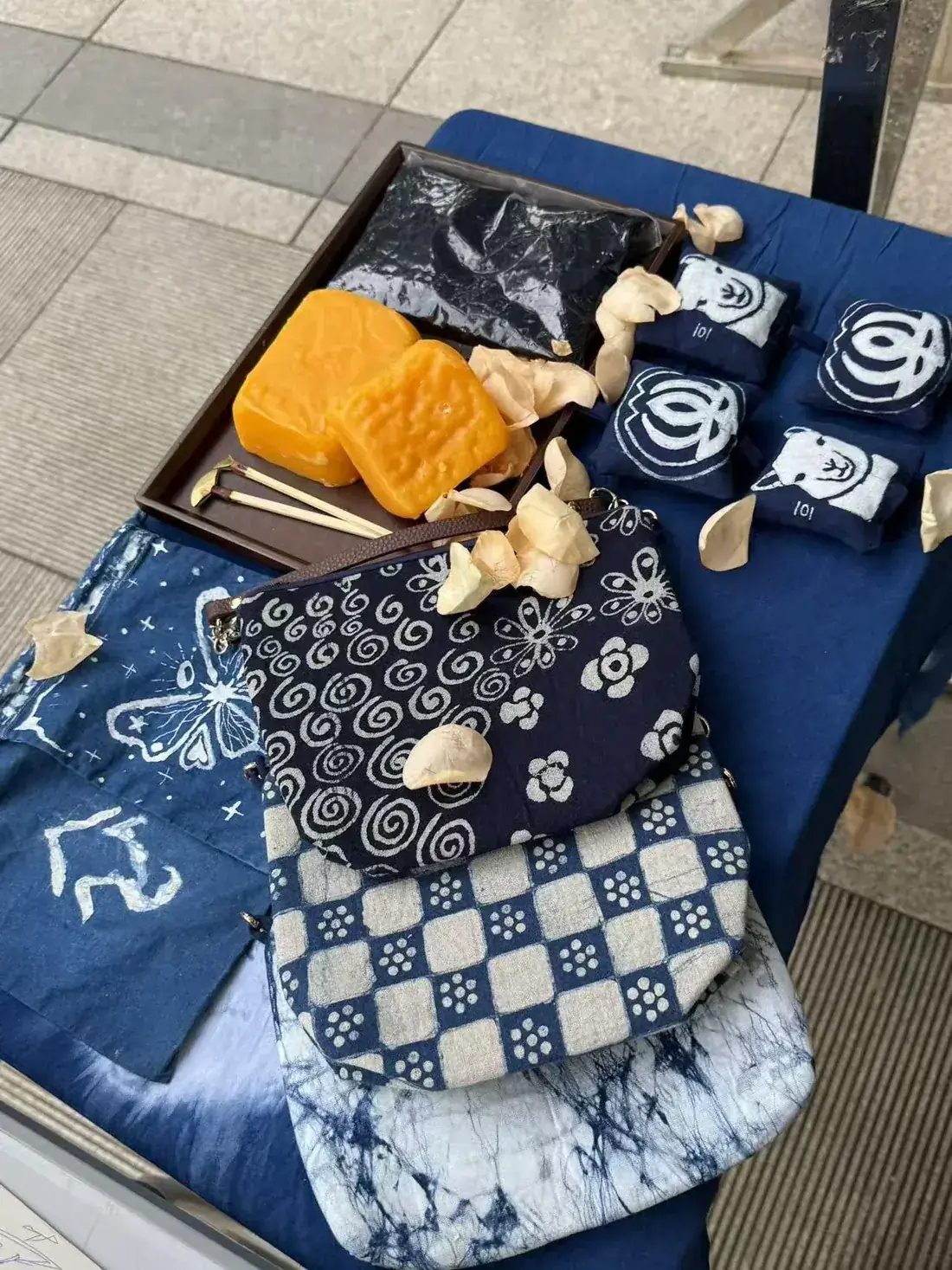
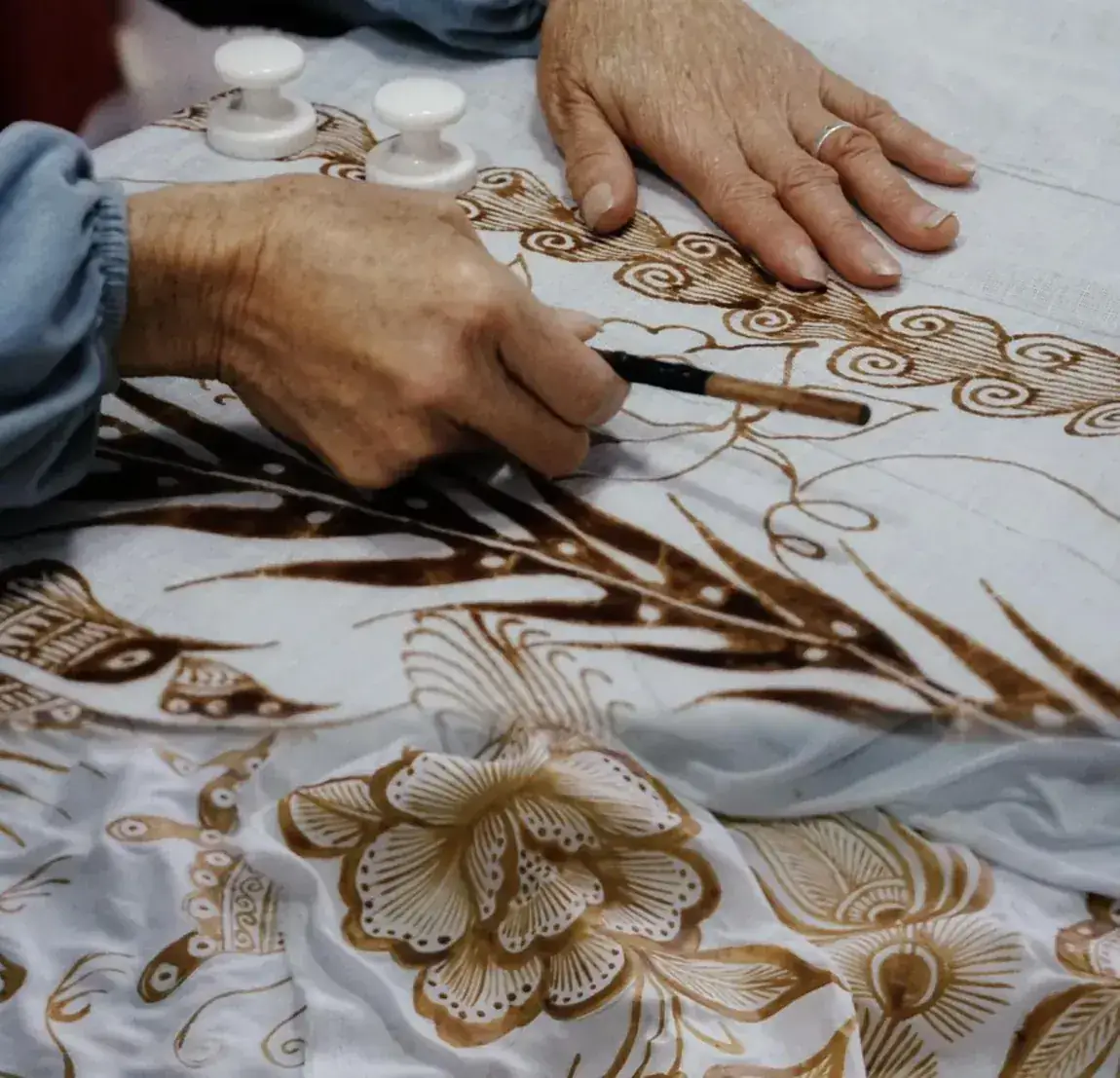
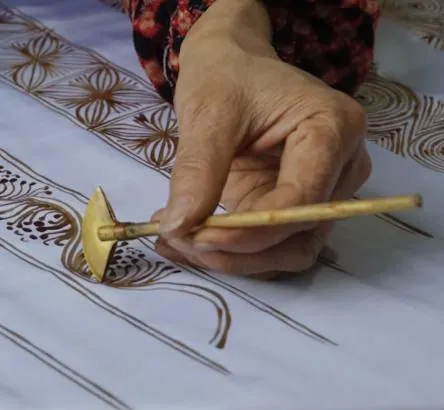
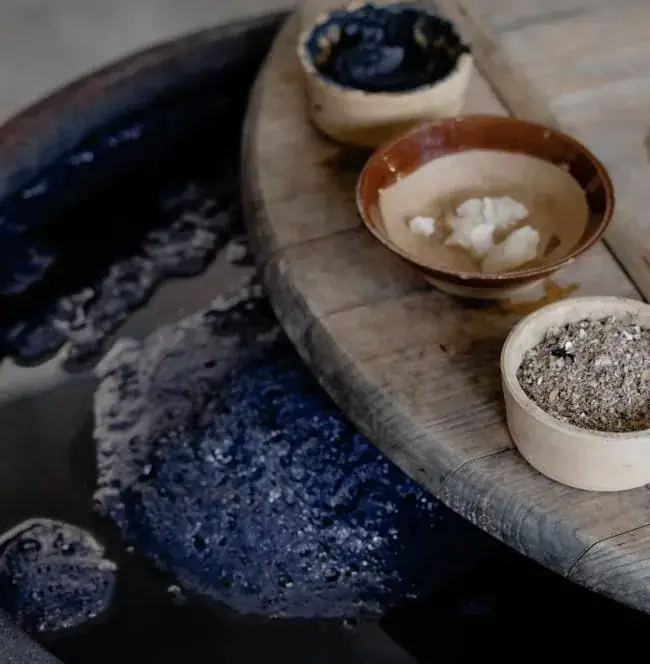
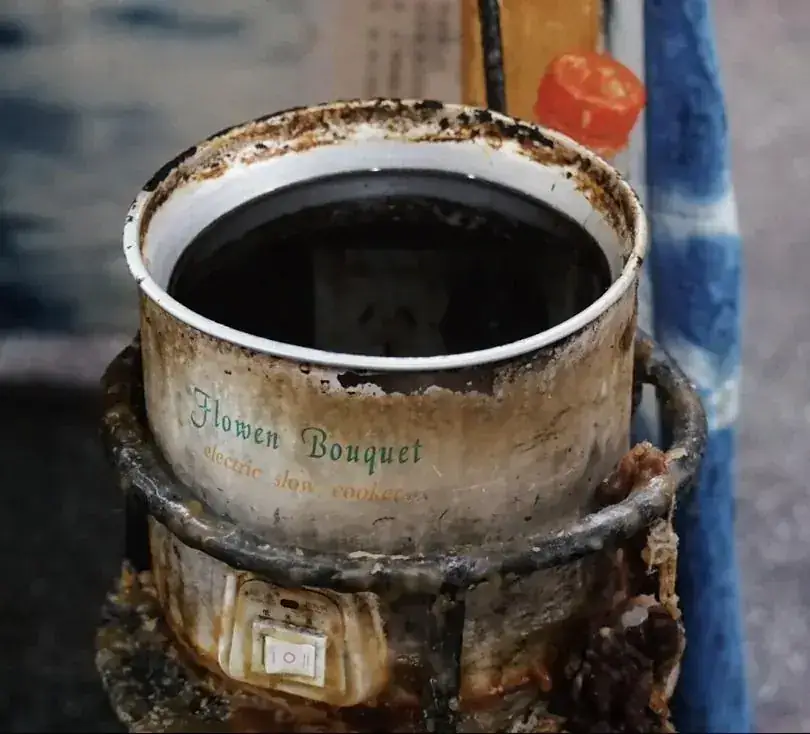
Batik is a Chinese intangible cultural heritage. Melted beeswax is drawn onto plain cloth; the wax repels natural indigo dye, and once the wax is removed a delicate white motif remains. One piece takes immense patience and long hours, unfolding through a sequence of careful stages.
Six stages, each with its own patience: melting the beeswax, painting the pattern with a canting, dipping the cloth, fermenting the indigo vat, boiling away the wax, and finally air-drying the fabric. What looks like a single printed image is really six acts of control over a material that refuses to hold still.


On camera
A national documentary came looking for us
This clip is from a CCTV-9 documentary programme on Chinese intangible cultural heritage. The film crew came to Danzhai because the batik there is still alive in the hands of the artisans — and they filmed the students, the workshop and the market stall that my club had organised.
In other words, the work I had been doing was noticed by the production team. What began as a school club and a monthly market stall was picked up by national television and shown to a national audience.
From Mountain Villages to Beijing
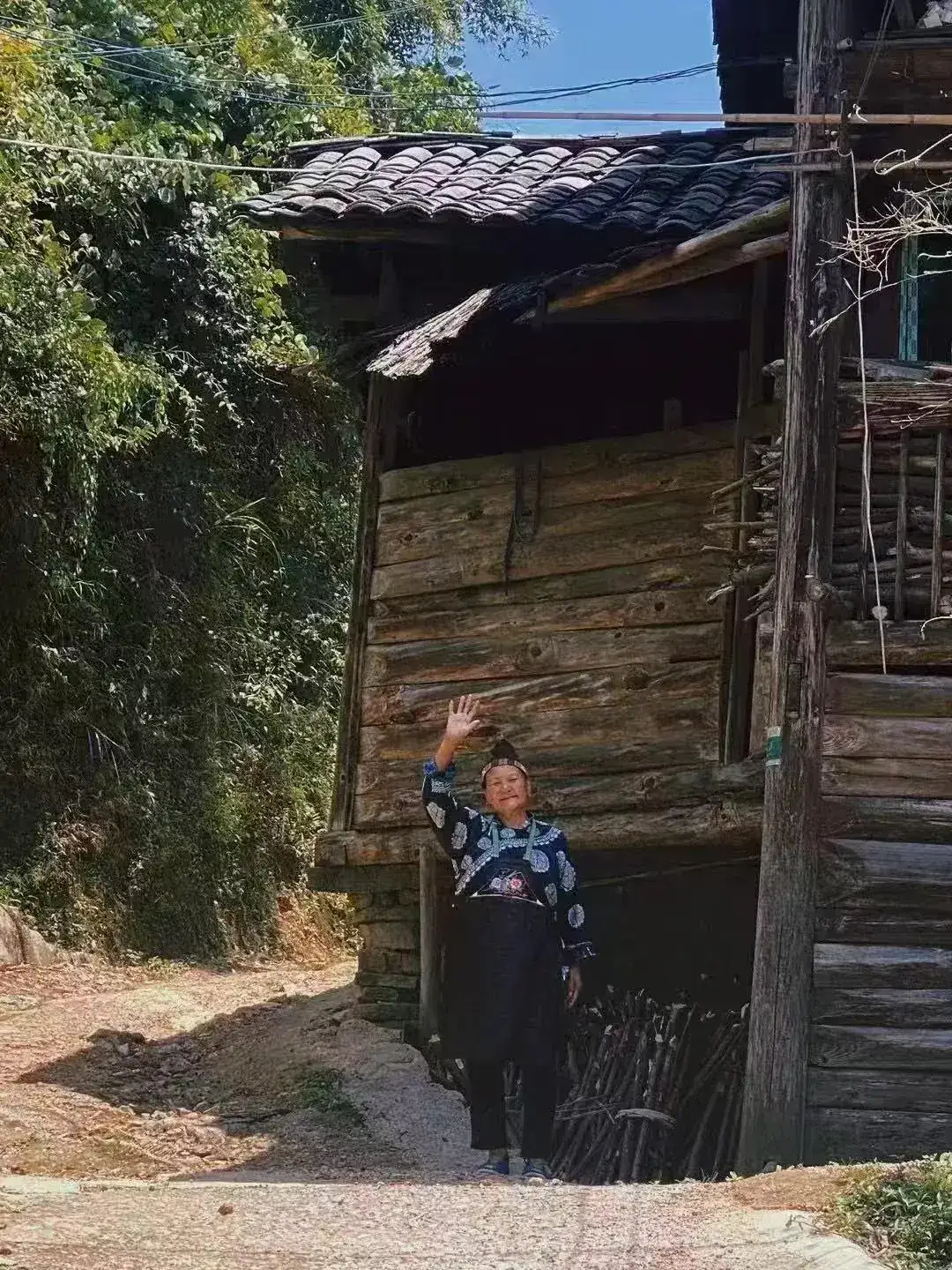
The batik women of Danzhai are Miao and Dong ethnic artisans. Most earn their living through this ancestral craft, passing patterns and memories down through generations. I built connections with these artisans — it is their lives and stories that give batik its true weight and meaning.
My aim was never to collect the craft as a photograph. I wanted to carry it out of the mountain villages and into Beijing, so this heritage could take root in the daily lives of young urban people. Everything on this page — the club, the sales, the workshops — is one route out of Danzhai.

A Club That Outgrew Its School
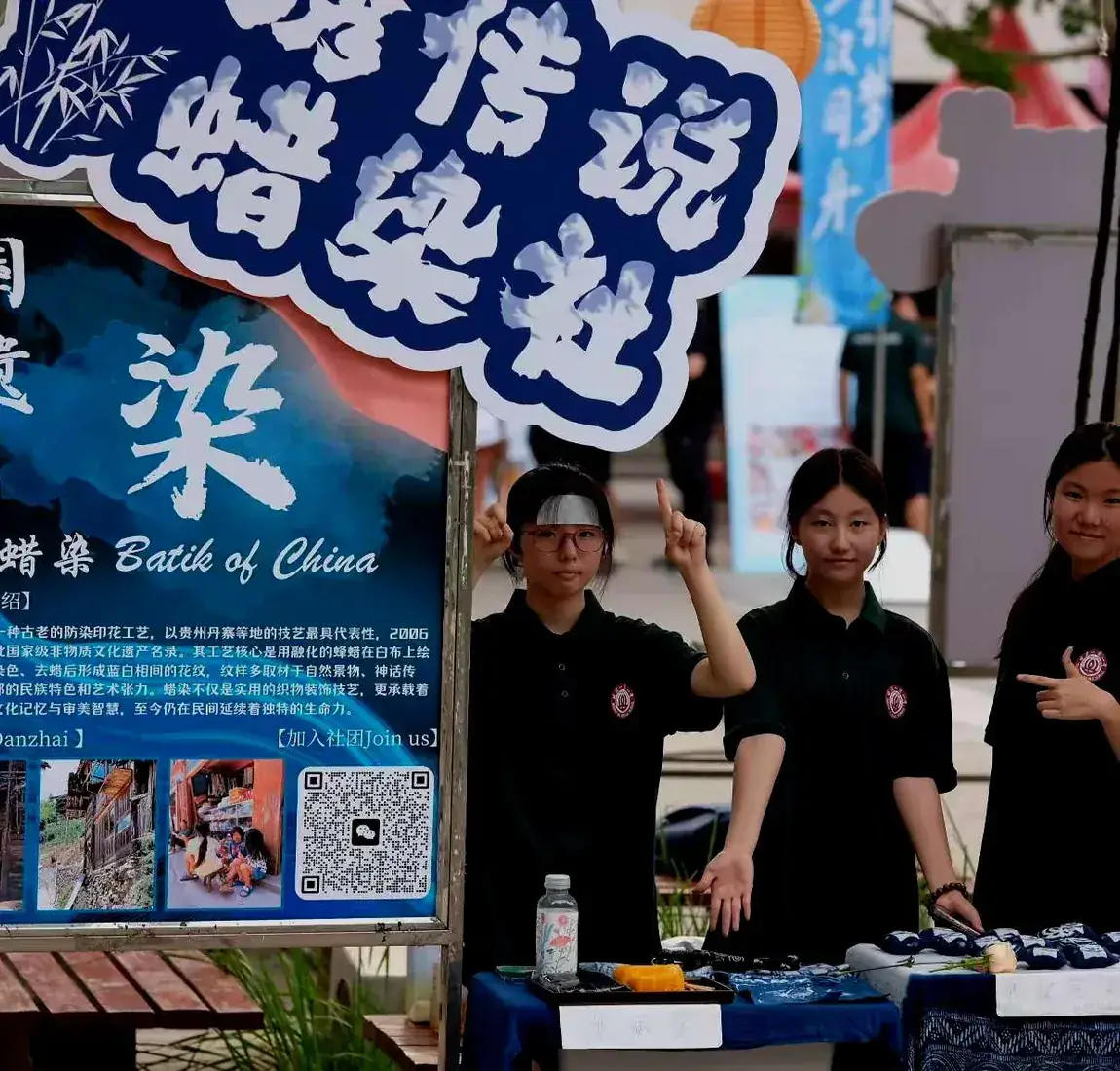
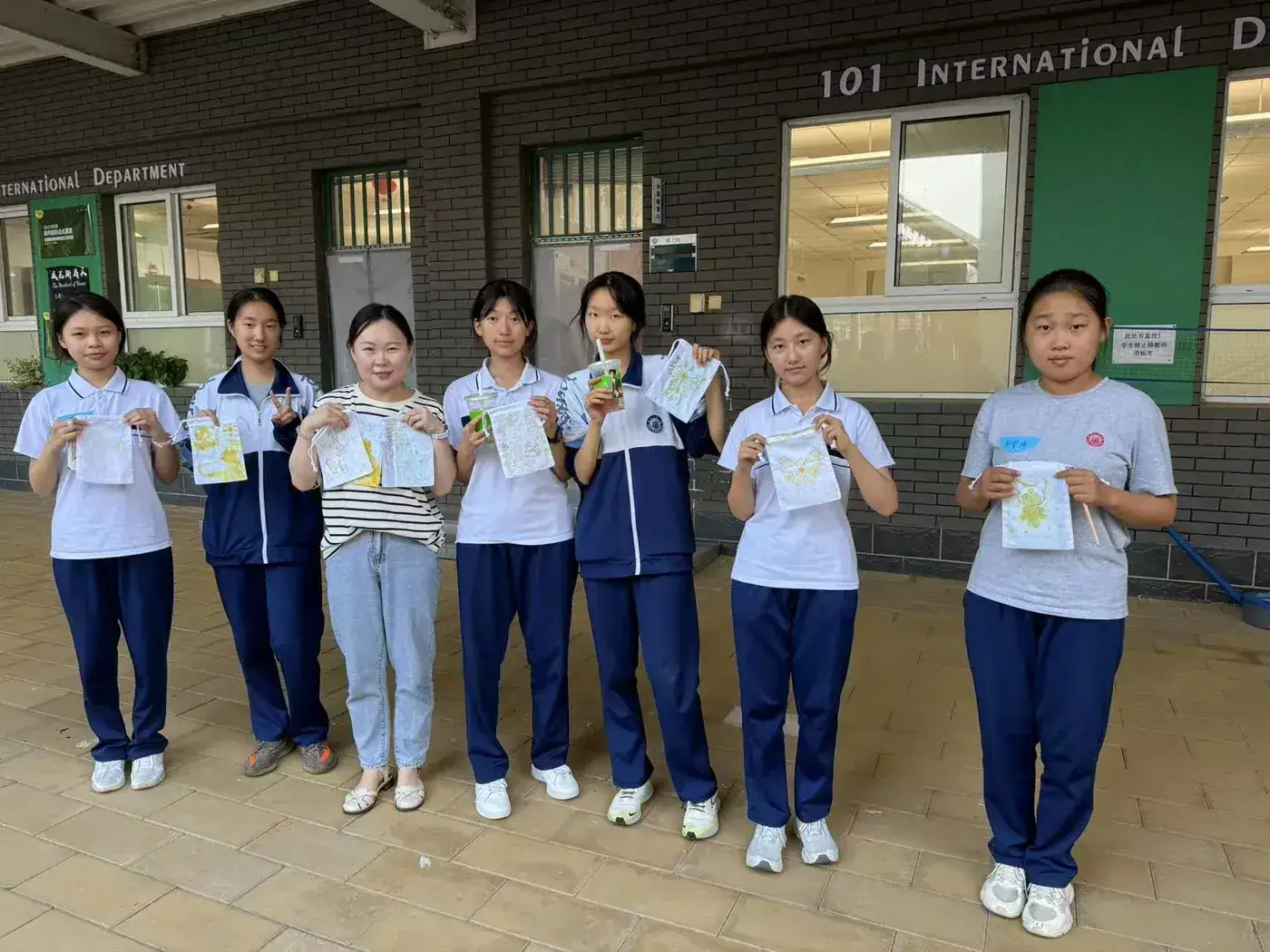
I began working on Batik Tales Club in middle school. When I graduated, I passed the club to incoming students. I re-established a chapter at my new high school in Beijing to carry forward this cultural mission.
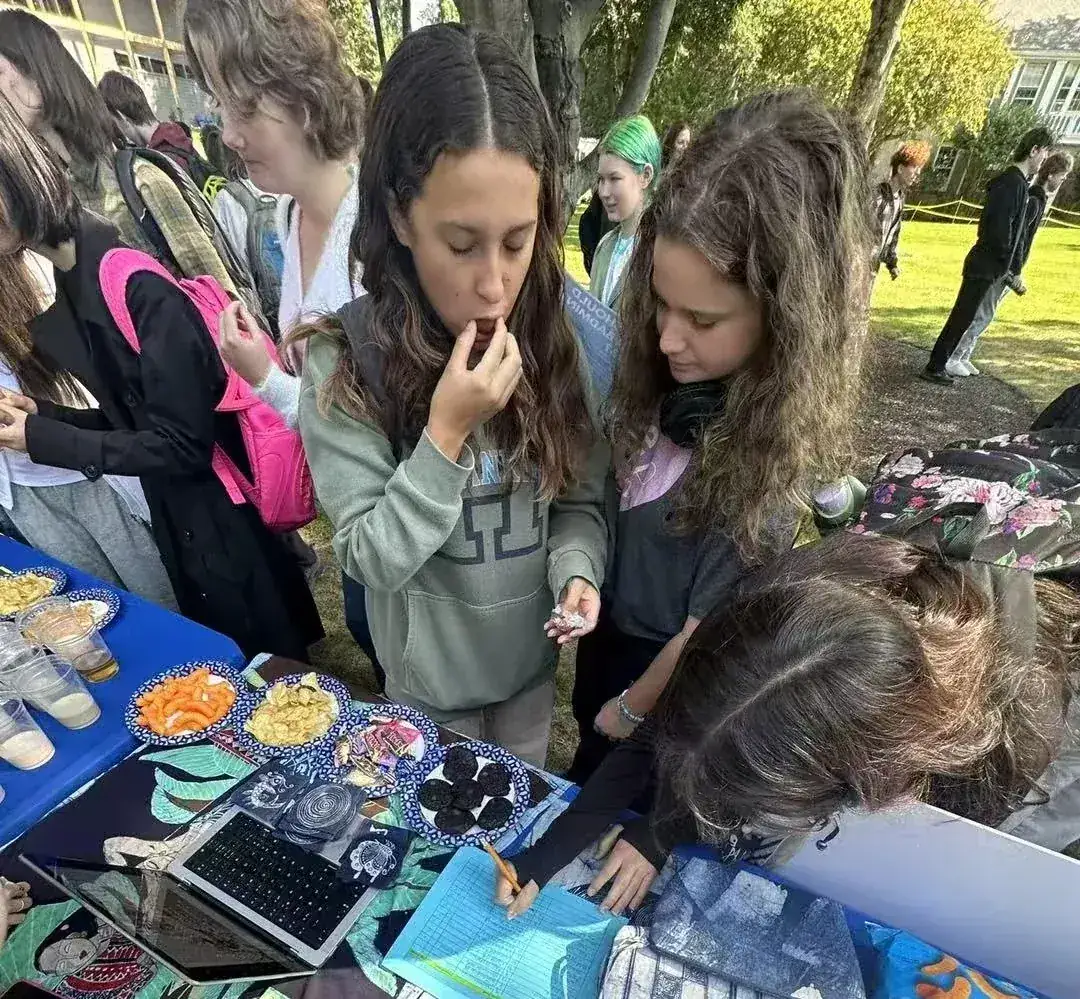
Driven by that vision I founded a network, and my club members went on to launch 6 independent club chapters in high schools across China and the United States. The point of a club like this is not the batik: it is that a teenager can hand a tradition to the next teenager and watch it travel further than it ever could alone.

Charity Sales
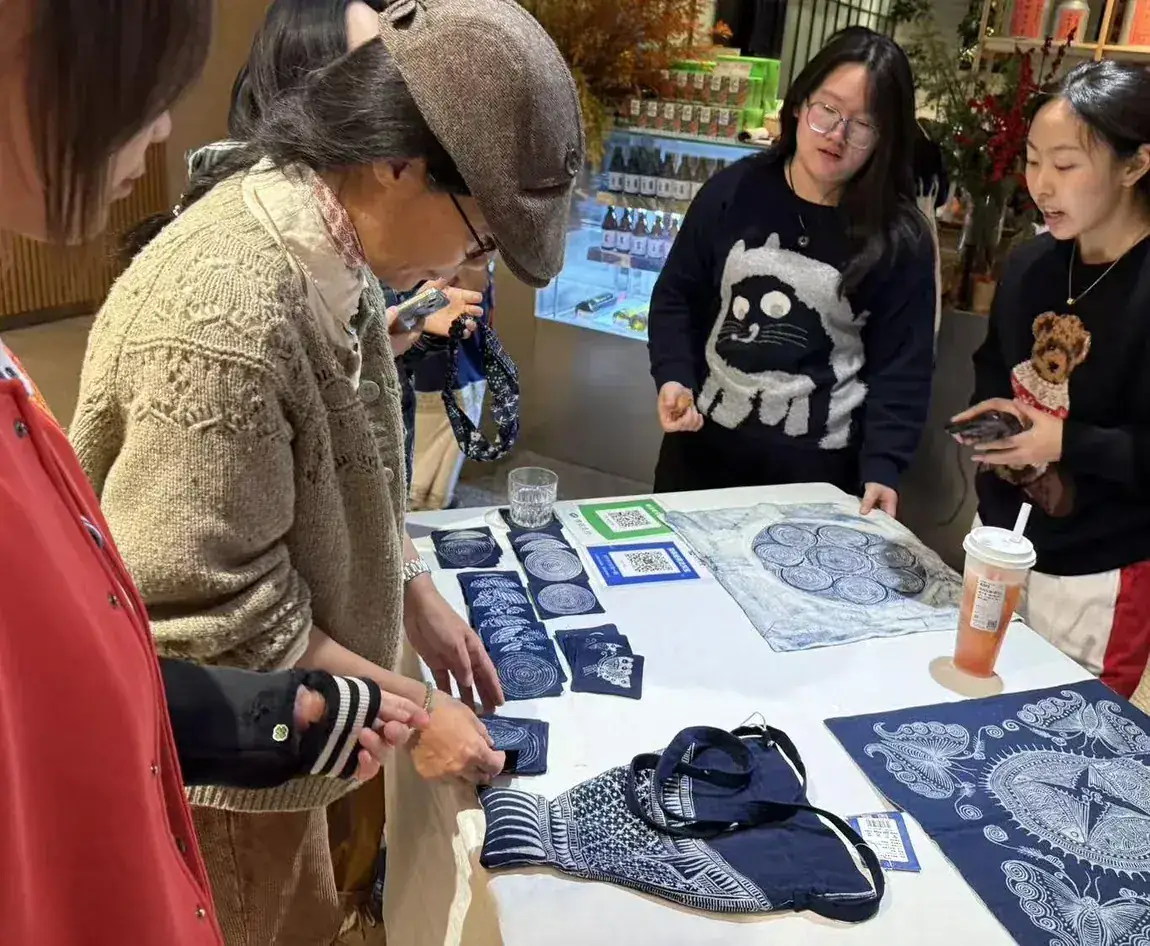
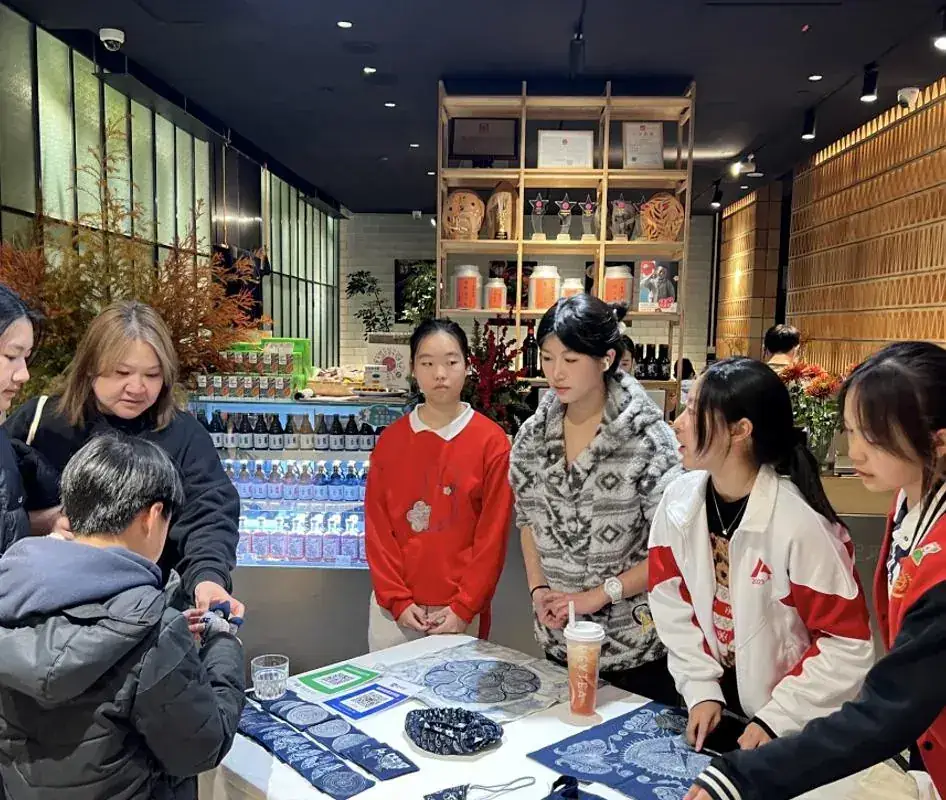
We host ongoing off-campus charity sales in Sanlitun, in partnership with Yizuo Yiwang, a Guizhou-themed restaurant. It is our club's longest-running regular event, held once every month.
The banner the artisans sent back reads: sales supported by the club brought 10,787 yuan to the artisans. Underneath it were handwritten thank-you notes from the children of Danzhai. A number on a banner is easy; the notes are what make it mean something.




Workshop & Encounter
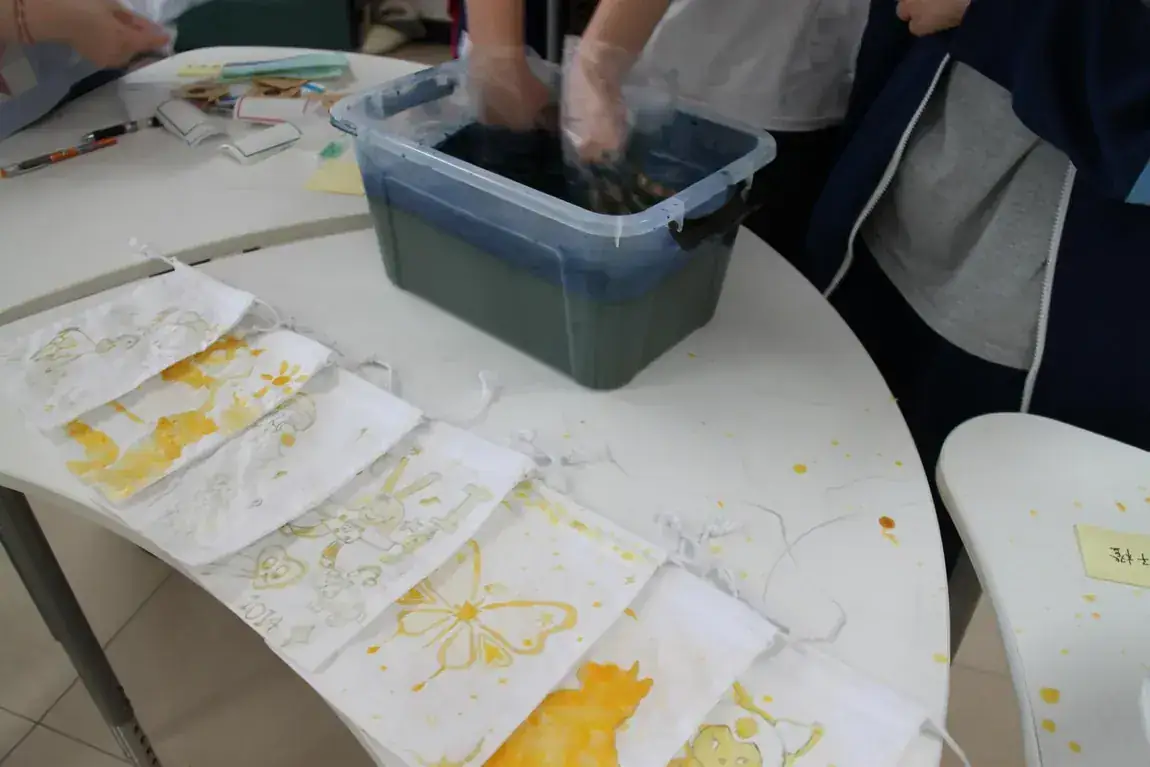
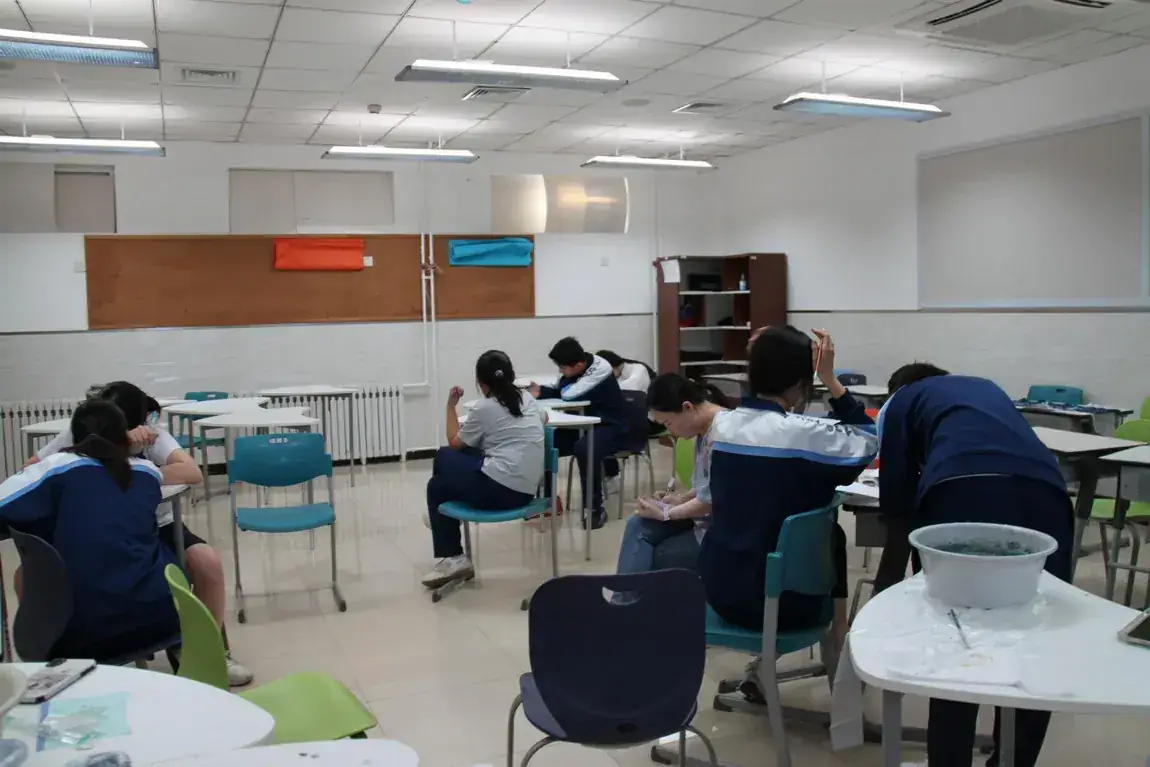
Our hands-on batik workshop invites students to create their own batik pieces and experience the quiet charm of this heritage craft. These sessions do not only teach a skill.
I also reached out independently to external professional counsellors. Using batik as a creative medium, I invited one counsellor to serve as a facilitator for our on-campus Encounter Group. The craft did the work that a slide deck could not: it slowed the room down, and gave people something to do with their hands while they talked.


Campus Culture Product
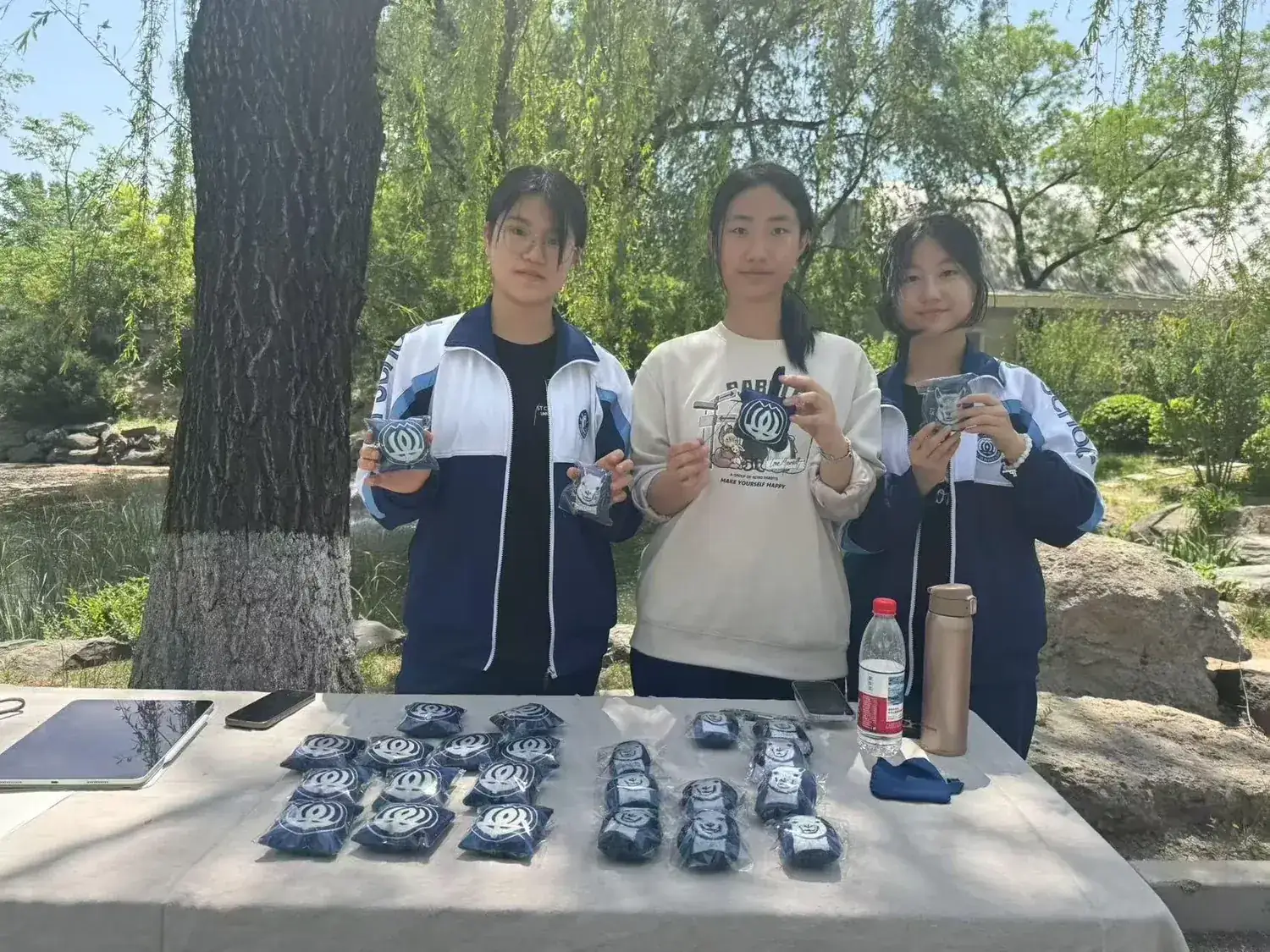
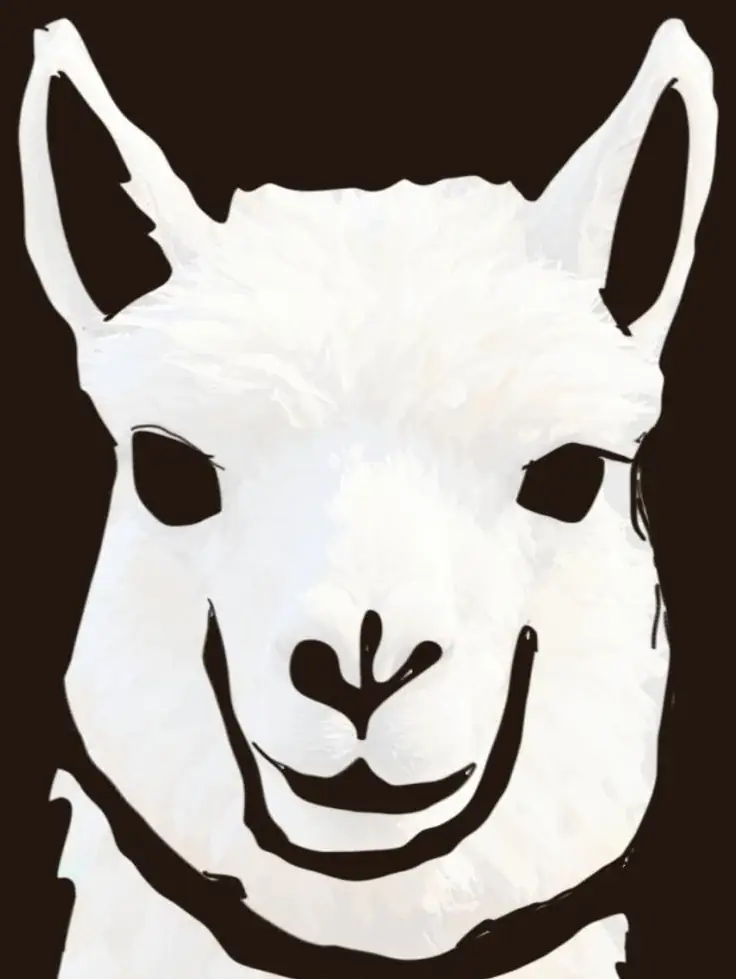
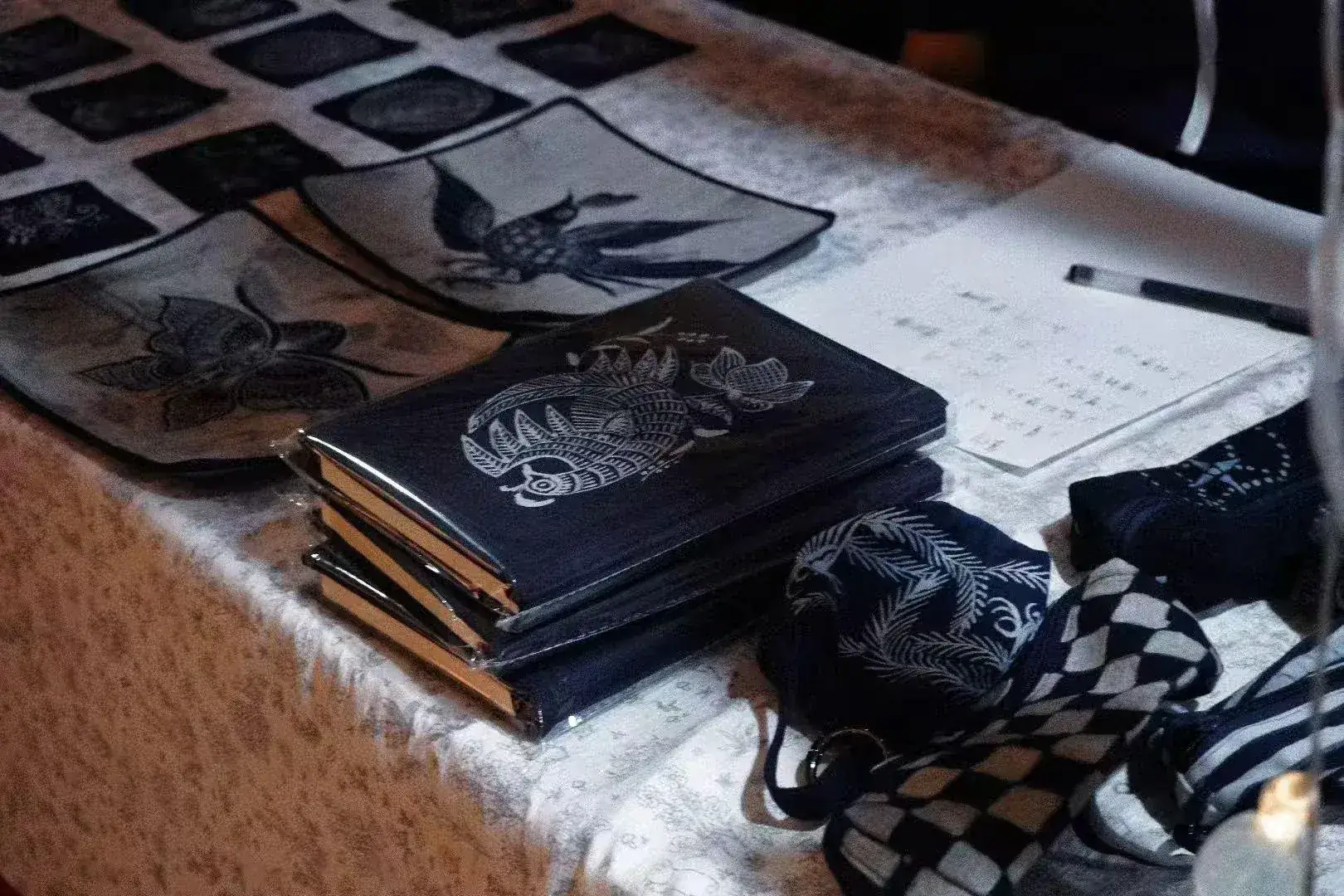
I designed and crafted batik campus cultural merchandise, with our works featured in the school's 80th anniversary showcase. This is the step where the craft stops being a club activity and becomes something you can hold, wear, and give to someone who has never been to Guizhou.
Every object carries the artisan's pattern and the club's name. It is the smallest unit of the whole project — and the one that reaches the most people.