Footwear Startup
This sustainable flip-flop social venture is co-led. A teammate oversees research into eco-friendly materials, while I anchor the project in humanistic values.
I observed how consumer advertising often imposes restrictive roles upon women. Traditional ads cast women either as homemakers, or as pre-homemakers — figures expected to dedicate time to grooming and maintaining a polished appearance. Our product responds to these narrow stereotypes: when wearing these flip-flops, women can simply be themselves.
I plan to carry this footwear social venture forward into my university years.


The first two are from my own portfolio file; the other four are from the V&A collection of British advertising.
Business Exchange & Competition Club
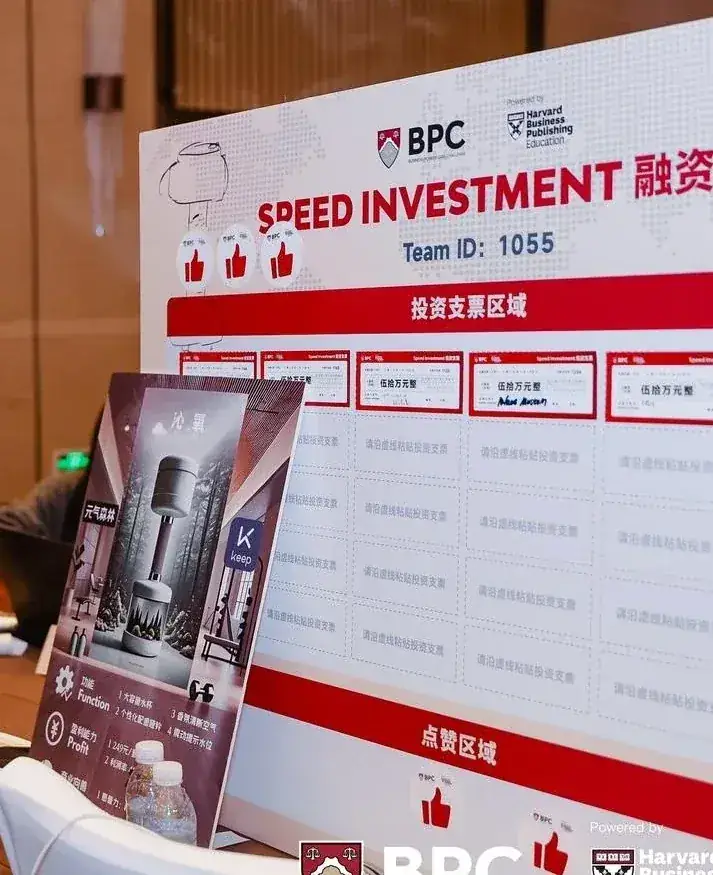
I competed as a senior competitor and received a nomination for Best CEO. Afterwards, I became a student coach in my business club to mentor new participants preparing for the business pioneer case challenge.
I also organise group discussions, where members gather to exchange ideas and debate business strategies.
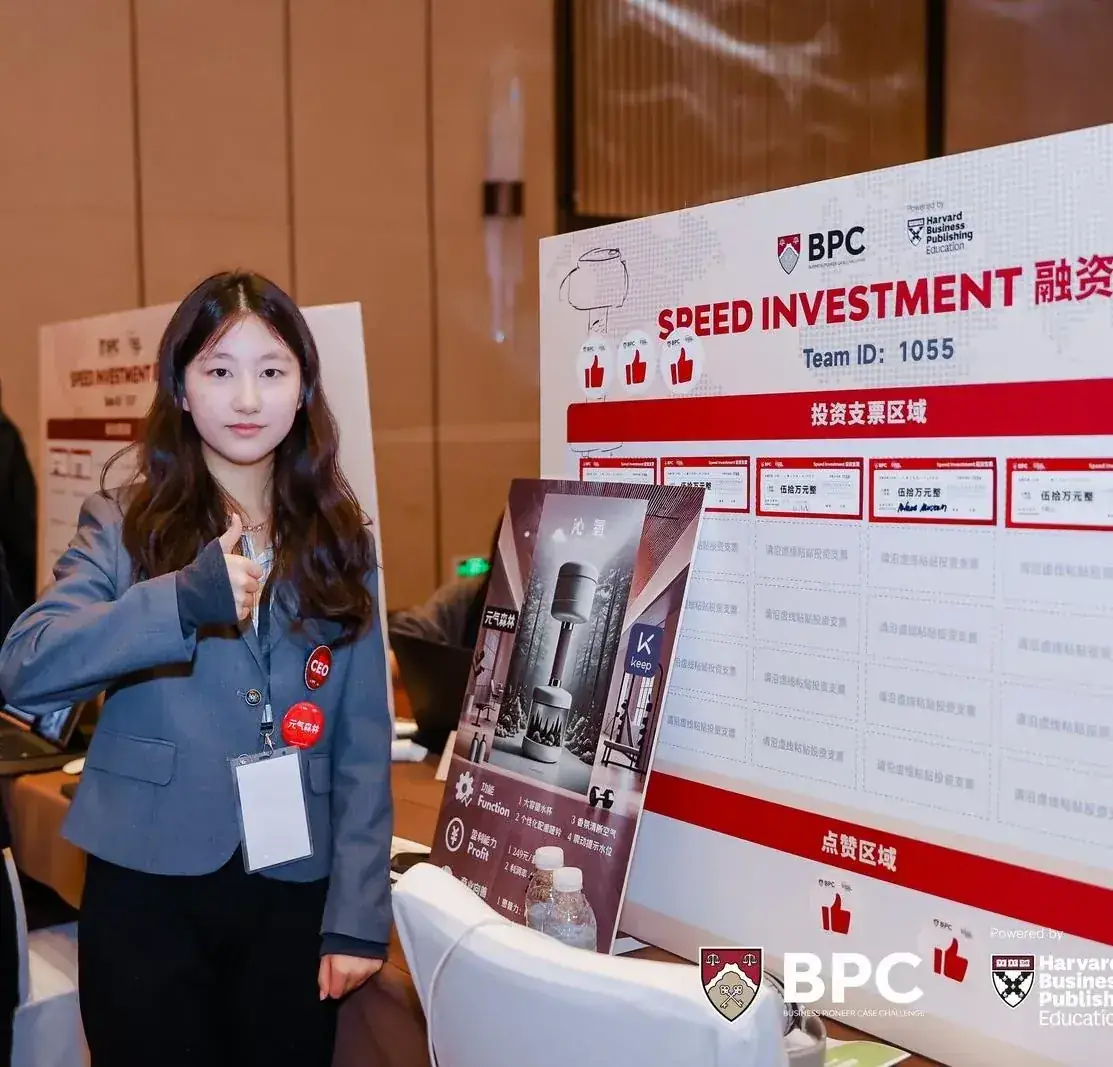
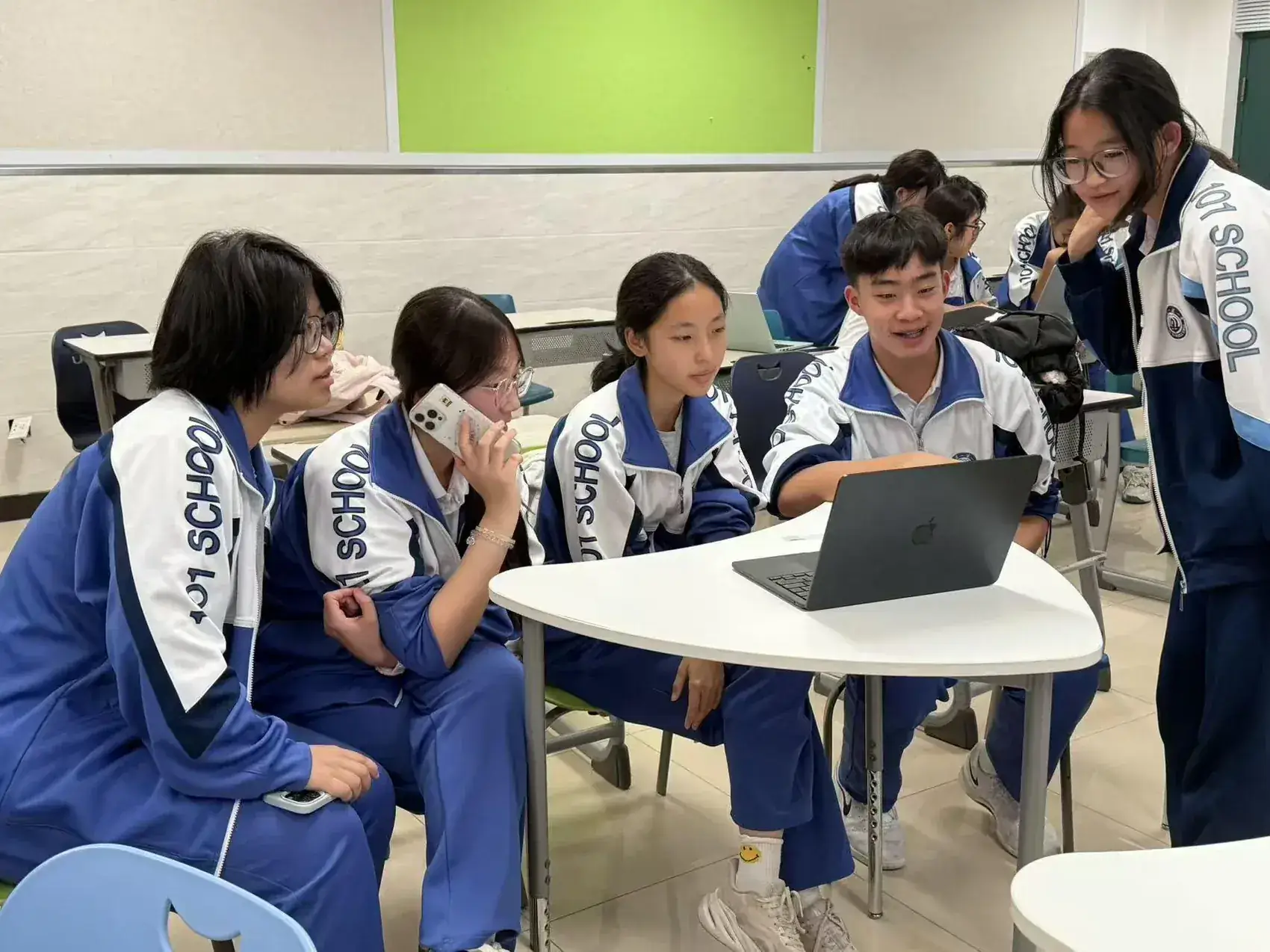
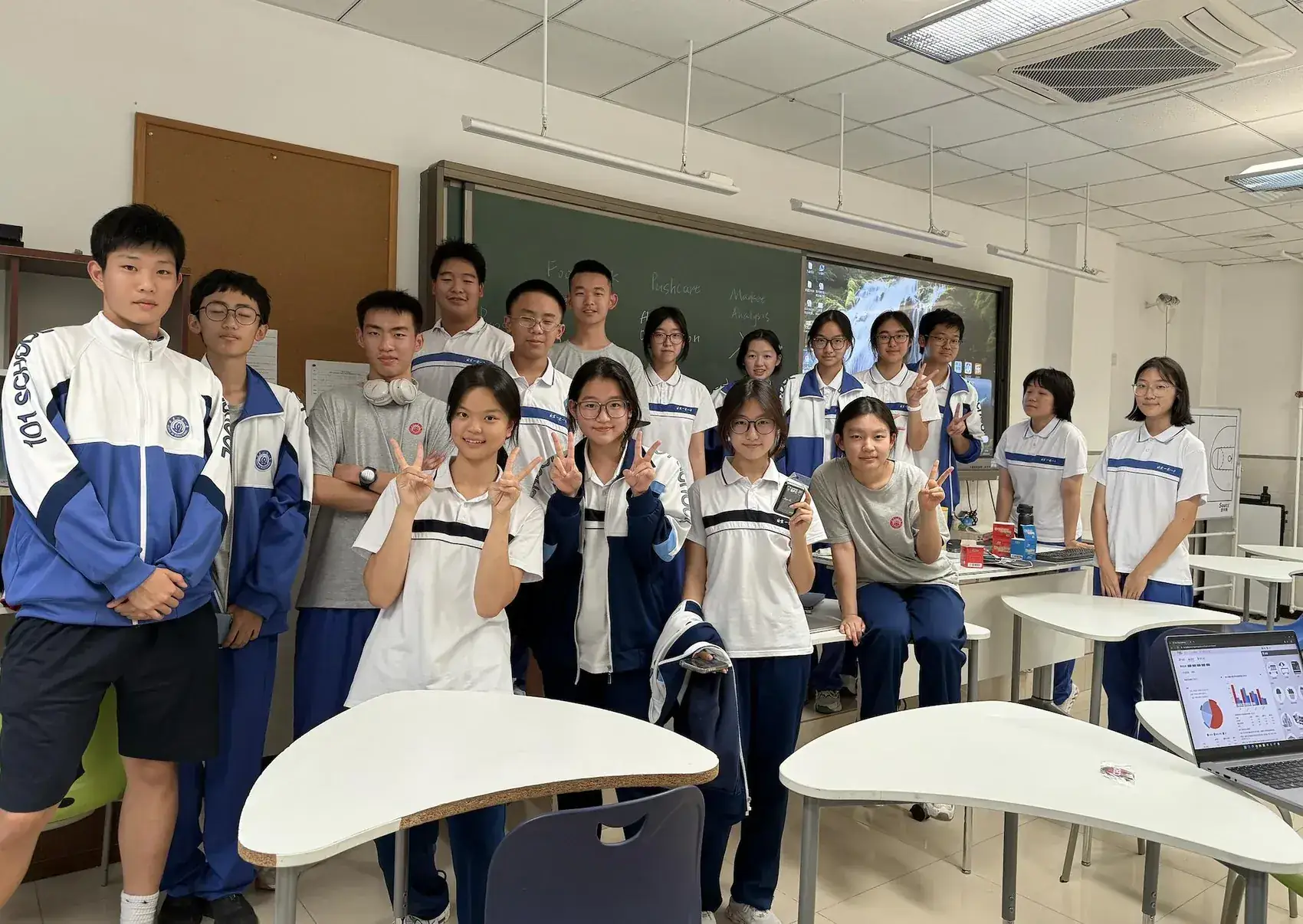
Leadership in Business World
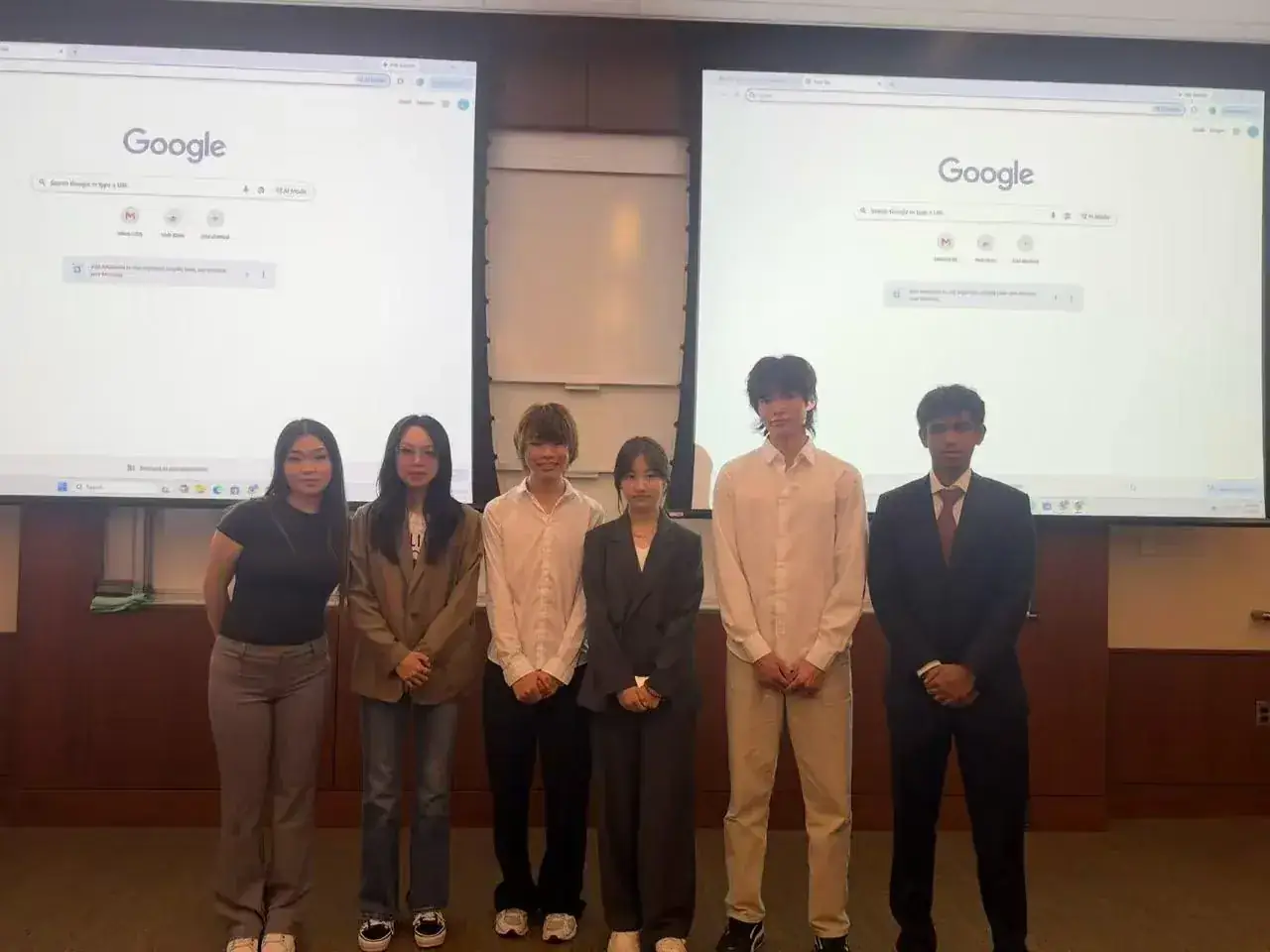
A summer school put me in a room with a case I had never seen before. We read the materials ourselves, built the analysis from scratch, and then had to defend it in front of a panel — not write it up.
It was the first time I had to defend a business decision out loud rather than on paper, and the first time a team of strangers had to agree on what the numbers meant before anyone else asked them to.

Co-Owned Artisan Collective
I partnered with the Beijing Changping School for Rural Women to build a co-owned batik brand. The school offers free craft classes to rural women, but in the past the students had no way to turn their skill into income, and the school itself relied entirely on donations.
Together we developed market-ready batik cultural products: the students make them in the school workshop, and I lead the student team on design, promotion and sales. After material costs, the net profit is shared — the larger share flows back to the artisans and to running the workshop, the smaller share stays with our team to keep developing new products. Every product carries a card with the artisan's story.
This is the school's first continuous, self-generated income that does not depend on donations, and it is produced by the students' own hands. It turns charitable support into an equal market partnership.
